Indigenous Missionaries
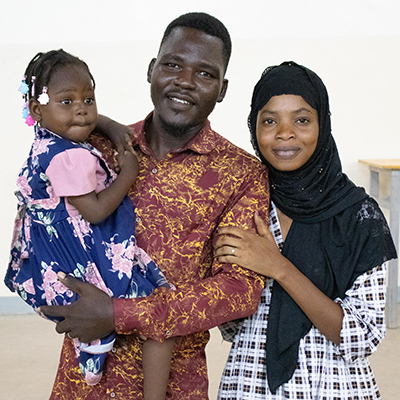
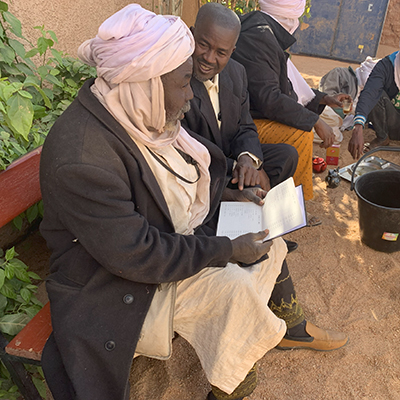
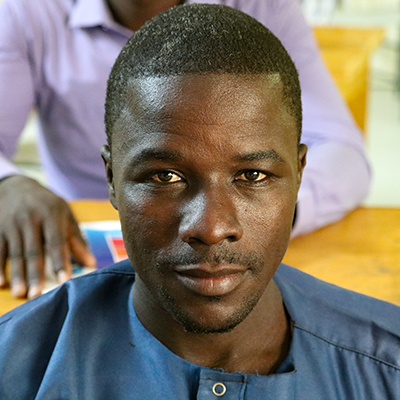
City for the Nations does not send missionaries from the United States to the unreached. Although we deeply value the work of traditional missionaries, regarding their work as valuable and frequently partnering with them in the field, we specialize in a different manner of missions mobilization. Every missionary we send lives and grew up in the same country as the unreached people they are sent to. Clarifying this point is, among other reasons, why we refer to these workers as engagers rather than missionaries.
We do this for a variety of reasons. First, with the Great Imbalance causing so few missionaries to work among the unreached, a more readily deployable pool of missionaries to the unreached is needed. Our brothers and sisters who are in Niger, Chad, or Thailand live in close proximity to those who have not yet ever heard the gospel. While it takes thousands of dollars and months-to-weeks for a Western missionary to arrive on the mission field, these workers can be deployed in as little as a day and at much less expense.
Furthermore, when engagers arrive at the place they will be evangelizing, they come with cultural and language competencies that traditional missionaries often require months or years to acquire. Whatever language barriers they do face are often readily overcome through the use of a common trade language. This allows them to immediately begin pursuing relationships and persons of peace and sharing the gospel. Able to relate freely to those they can reach, they begin leading a disciple-making movement in which those they lead to Christ are quickly taught to lead others to Christ in a multiplying manner.
This is in no way a denigration of traditional missionaries or traditional methods. In fact, our method relies upon the success of traditional missionaries in their efforts to plant indigenous churches. The churches planted by missionaries are the same churches from whom we recruit engagers who plant house churches lead disciple-making movements.