
Give Securely
Clicking the button below will take you to a secure donation page managed through Aplos, the official online giving system used by City for the Nations.
City for the Nations is a 501(c)(3) nonprofit, all donations are tax-deductible to the fullest extent allowed by law, and we are ECFA-accredited.
Niger
State of the Great Commission in Niger
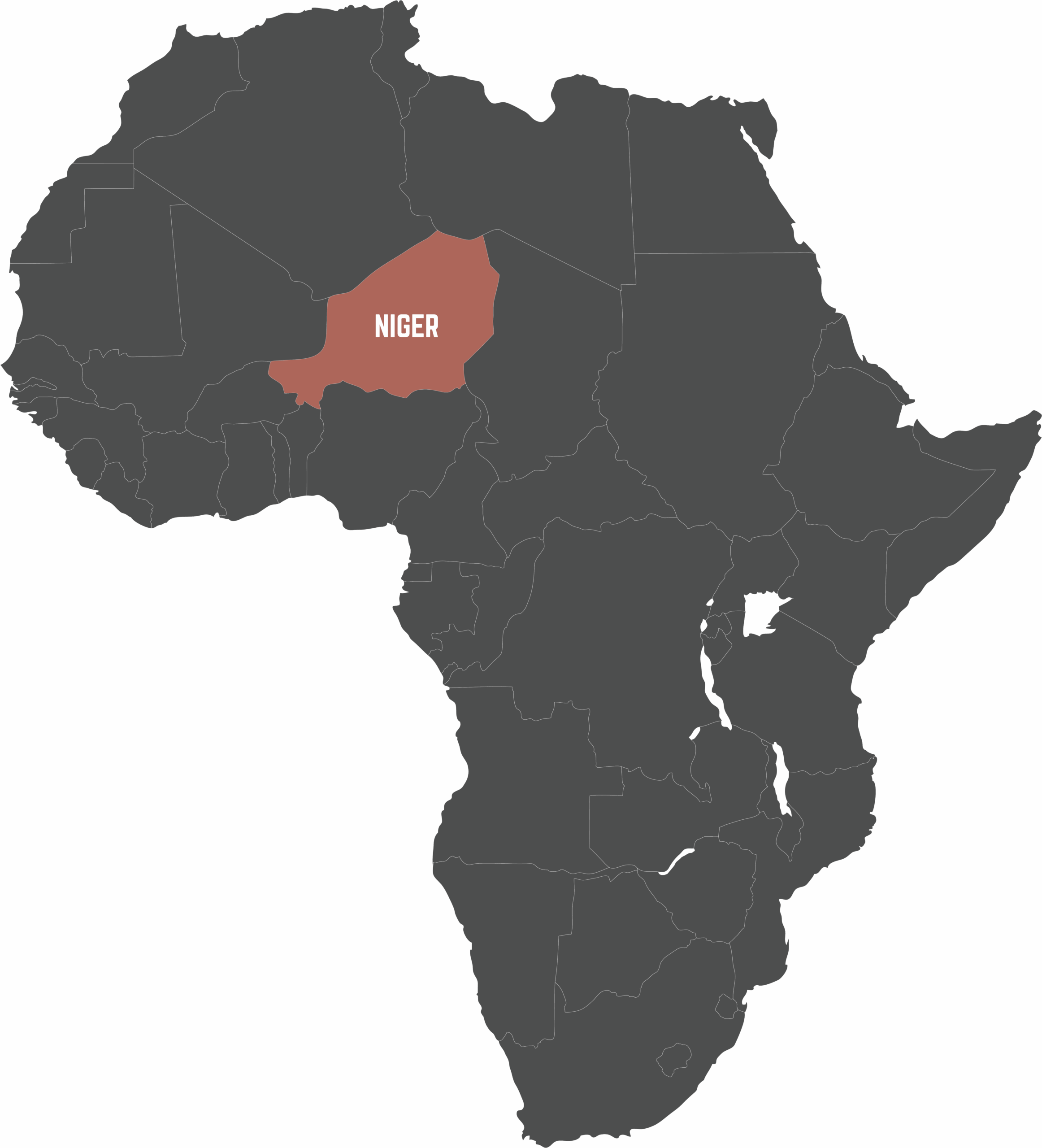
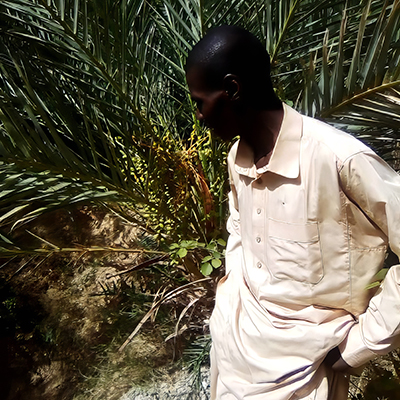
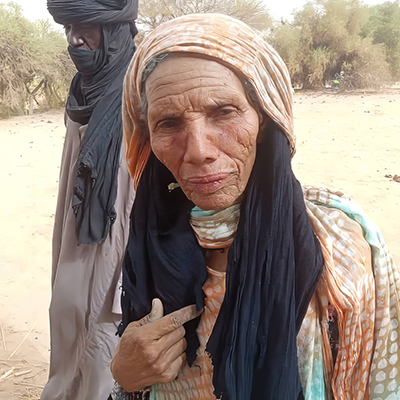
Niger is nestled on the Sahara, named after the Niger River, from which it receives most of its water. Niger is home to 27.9 million people, the vast majority of whom are relatively young and live in rural areas. 01 Large portions of the population live in extreme poverty, and most people sustain their own life through agriculture. 02 A great proportion of its population is involved in nomadic shepherding, making for a very transient population that is also subject to frequent violence and material scarcity. 03 Especially after a 2023 military coup, various populations in Niger are subject to significant threats and violence from independent militant groups, and this holds especially true for Christians. 04
All of these factors have hindered the spread of the gospel throughout Niger, and currently only an estimated 1.6% of the population professes Christ. 05 Most of these Christians are contained within eight of Niger’s 37 People Groups. Niger’s 29 Unreached People Groups represent 98.2% of its population. The 17 People groups who have virtually no noteworthy Christian activity include over 5 million people, nearly a fifth of the country’s people.
Nevertheless, there is real hope for Niger. In addition to the work of City for the Nations detailed below, many of our most vital and dynamic partnerships are busy in Niger, sharing hope and spreading the gospel of Jesus Christ.
Beginnings
City for the Nations has been involved in Niger since its earliest days and continues to operate in relationships established before our founding. Miles, City for the Nations’ eventual founder and executive director, travelled to Niger and ministered there and participated in conversations and meetings about how the indigenous church there could be helped to reach the whole Nation of Niger.
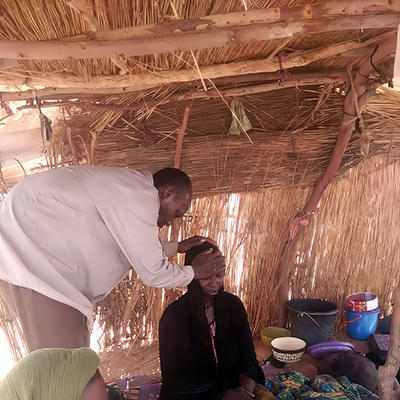
Over the next seven years, regular trips to Niger for ministry and collaboration resulted in a robust network of relationships with local Nigerien pastors, foreign missionaries called to Niger, and other Christian organizations. City for the Nations helped to mobilize and equip many of these leaders to begin evangelizing those near them who had no gospel presence.
Niger Engagement Project
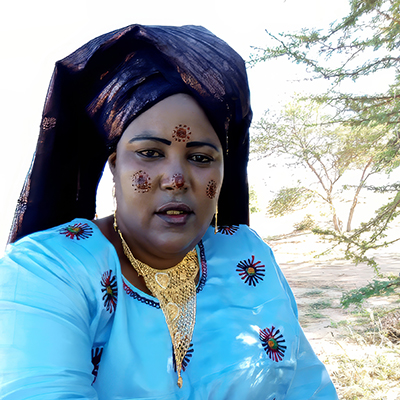
In 2018, City for the Nations recruited prominent Nigerien pastor Moctar Soumana to lead a coalition of churches who wanted to send their members to seven specific people groups in Niger. There was no known record of any long-term missionary activity having been sent to these groups in Niger before, a situation which the indigenous church of Niger was eager to change. The result was a cohort of engagers recruited from these churches to be Christ’s hands and feet to these people. Those groups were the: Fulani, Malian Tamashek, Ingall Tuareg, Buduma, Yerwa Kanuri, Mossi, Moorish, and Tagdall.
By 2022, healthy churches had been planted among all seven of these groups. Some groups had embraced the gospel to surprising degrees. The Tuareg of Ingal saw so many conversions that when our team visited a major Tuareg city in 2022, the city initiated a city-wide time celebration and worship of Jesus. Church leaders from across Niger and missions leaders from around the world gathered in Niger in February 2023 to celebrate the gospel’s arrival in these places.
One Village One Church
As the celebrations ended, however, these leaders were not content to rest on their laurels. Rather, they sensed that God intended yet greater things for Niger. They began meeting together and laid out a framework for a nationwide collaboration with the goal of seeing a church planted in each and every one of Niger’s approximately 15,000 villages.
Over the next year, our leadership team in Niger travelled to meetings of Churches in each of Niger’s regions to propose this vision and gain buy-in from the local association and congregation leaders whose cooperation will prove invaluable to make this vision a reality.
This led to a training event where 140 engagers were trained in disciple-making movements while denominational and church leaders began dividing up the work between themselves and their designated engagers. The first of these workers were deployed to the regions where they will begin planting churches and making disciples in mid-2025. we look forward to the encouragement of the first fruits of their labors.
They have received not only the support of City for the Nations, but also many of our partners. Though also supported by their churches and associations, they have received support from the Finishing Fund, equipment from Jesus Film, and collaboration and encouragement from many of our partner ministries in Niger.
- “Niger Population (2025),” Worldometer, accessed June 24, 2025, http://www.worldometers.info/world-population/niger-population/.[↩]
- “Niger Overview,” World Bank, accessed June 24, 2025, https://www.worldbank.org/en/country/niger/overview.[↩]
- “Fulani in Niger,” Minority Rights Group, June 19, 2024, https://minorityrights.org/communities/fulani/; “Niger Communities, Current Issues, and Background,” Minority Rights Group, November 2, 2023, https://minorityrights.org/country/niger/; “Indigenous World 2020: Niger,” International Work Group for Indigenous Affairs, accessed June 24, 2025, https://iwgia.org/en/niger/3590-iw-2020-niger.html.[↩]
- “Niger: World Watch List,” Open Doors UK & Ireland (blog), accessed June 24, 2025, https://www.opendoorsuk.org/persecution/world-watch-list/niger/; “Niger Communities, Current Issues, and Background.”[↩]
- “Country: Niger,” Joshua Project, accessed June 24, 2025, https://joshuaproject.net/countries/ng.[↩]